A Rainy Day Filled with Blessings
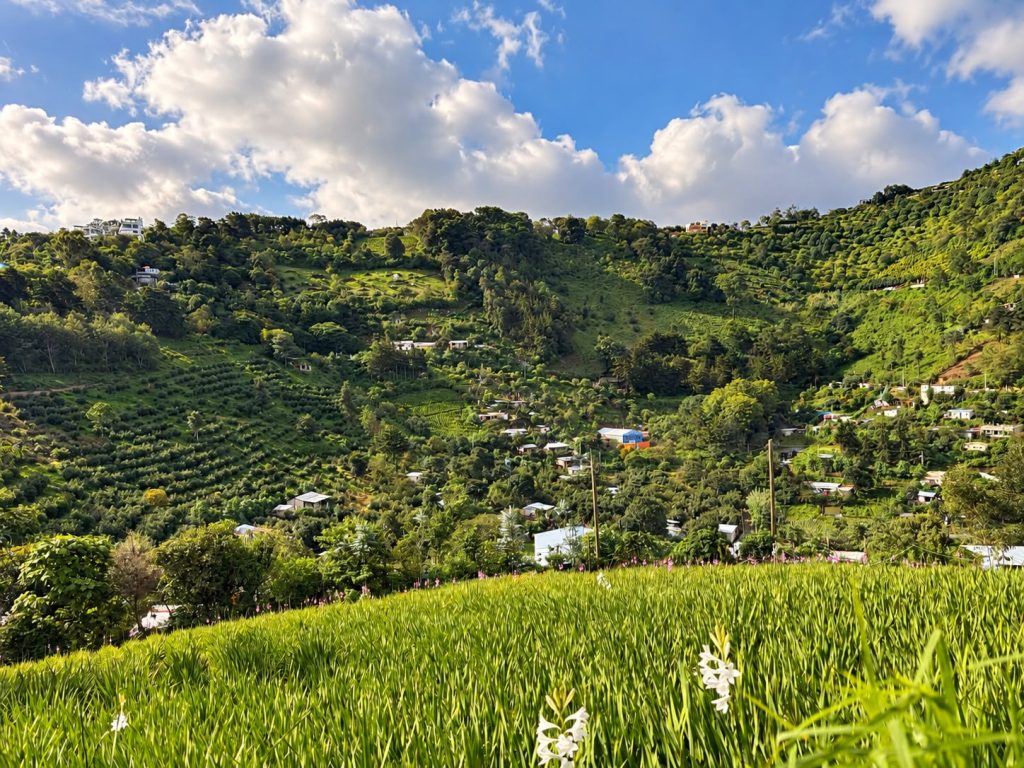
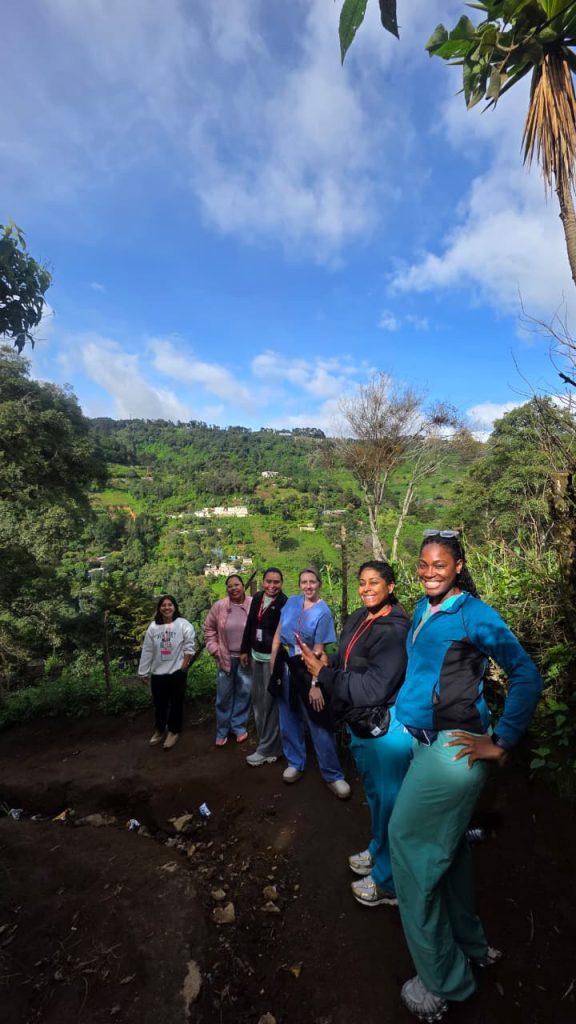
Rain and fog greeted us as we began another day of clinic in Vuelta Grande. As we prepared to welcome patients, we wondered whether the weather would keep families from coming. Yet even beneath gray skies, we were reminded that God is present—in our service, in each patient’s journey, and in the opportunity to care for one another.
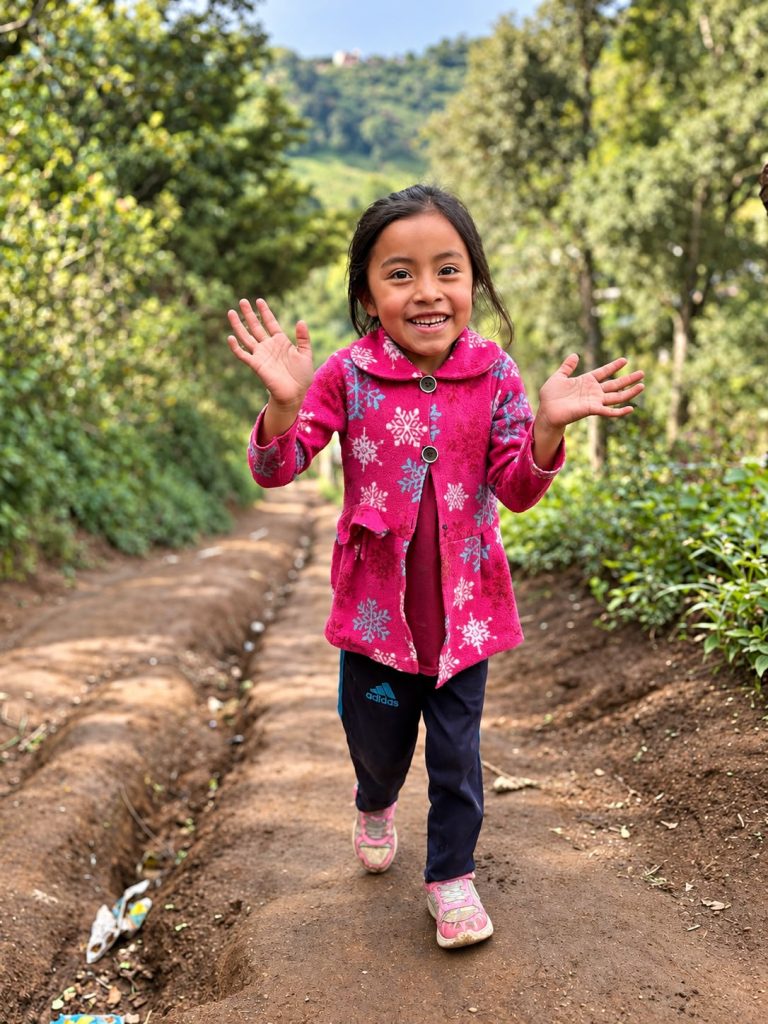
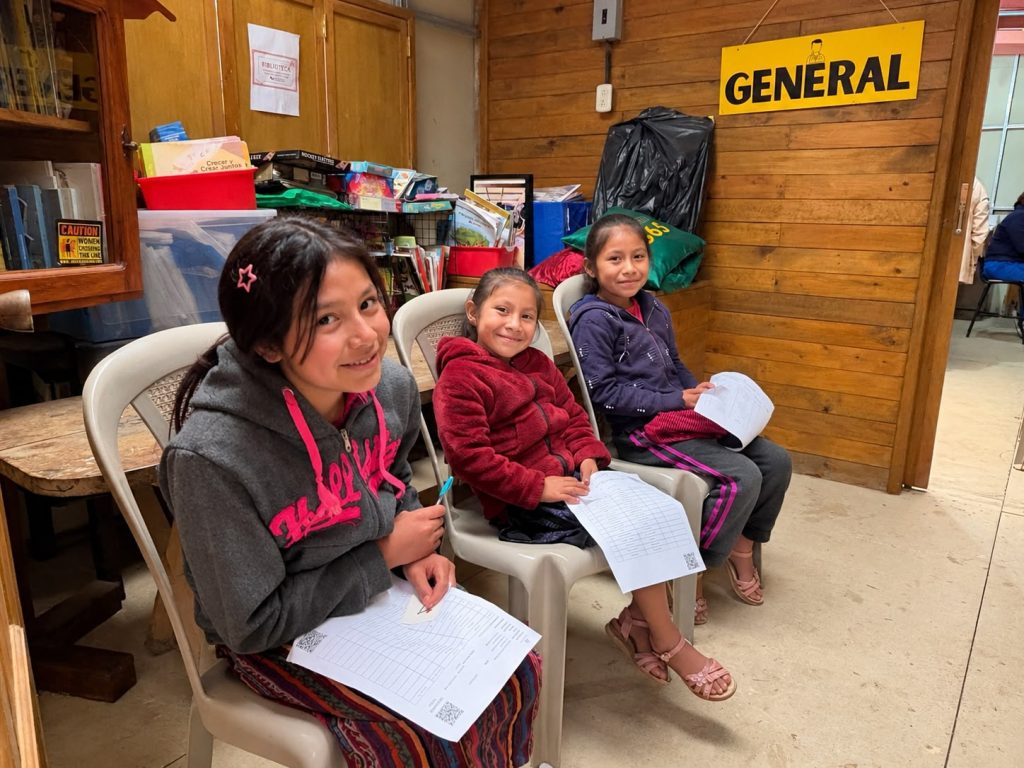
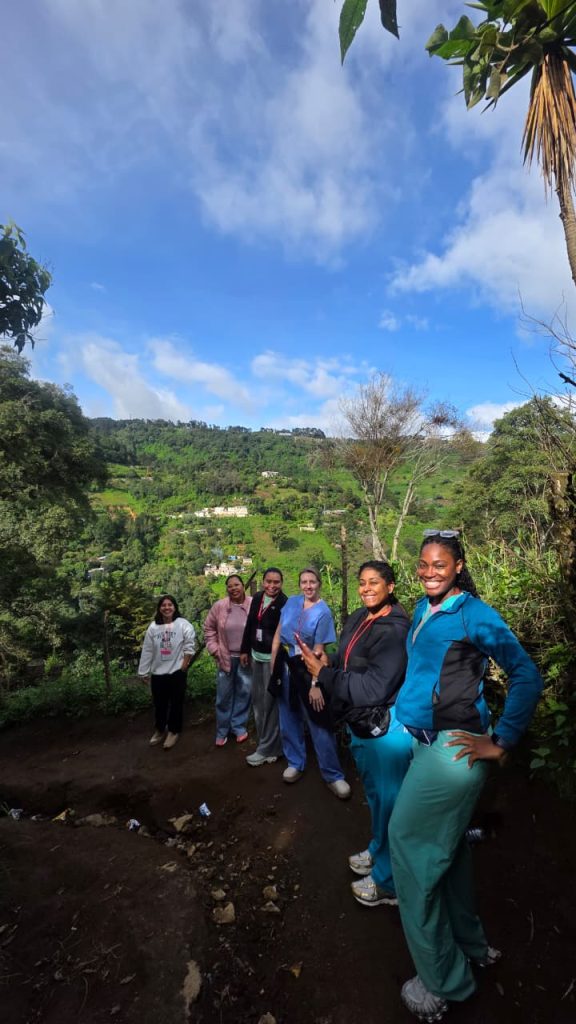
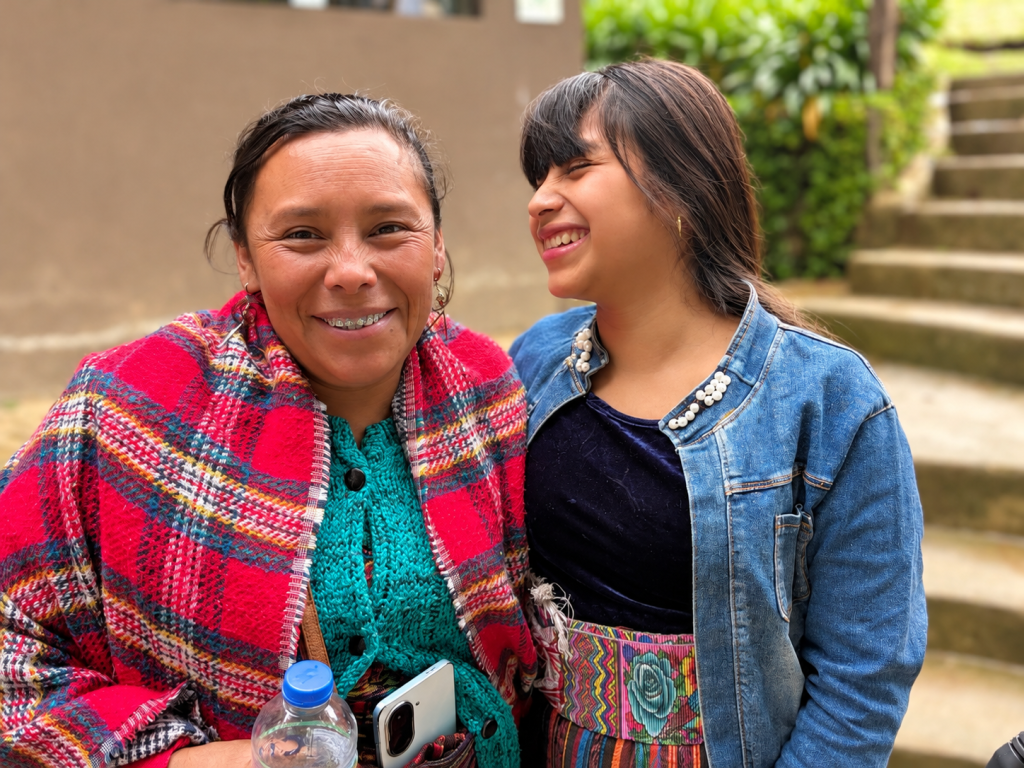
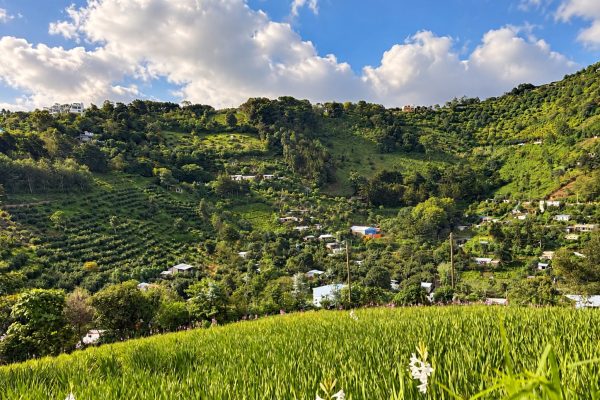
The day unfolded slowly, but we had the blessing of serving 43 patients from Vuelta Grande and the surrounding communities. Despite the rain and drizzle, families made their way to the clinic, determined to receive medical care. Learning how far some had to walk humbled us and deepened our gratitude for the trust they placed in our team.
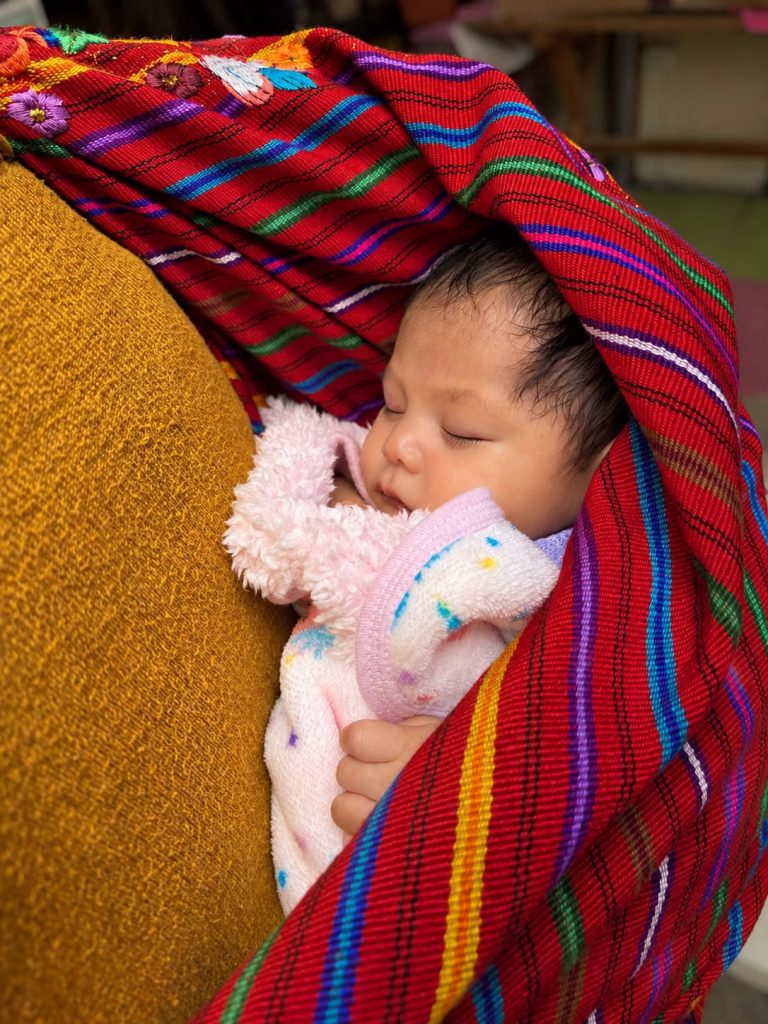
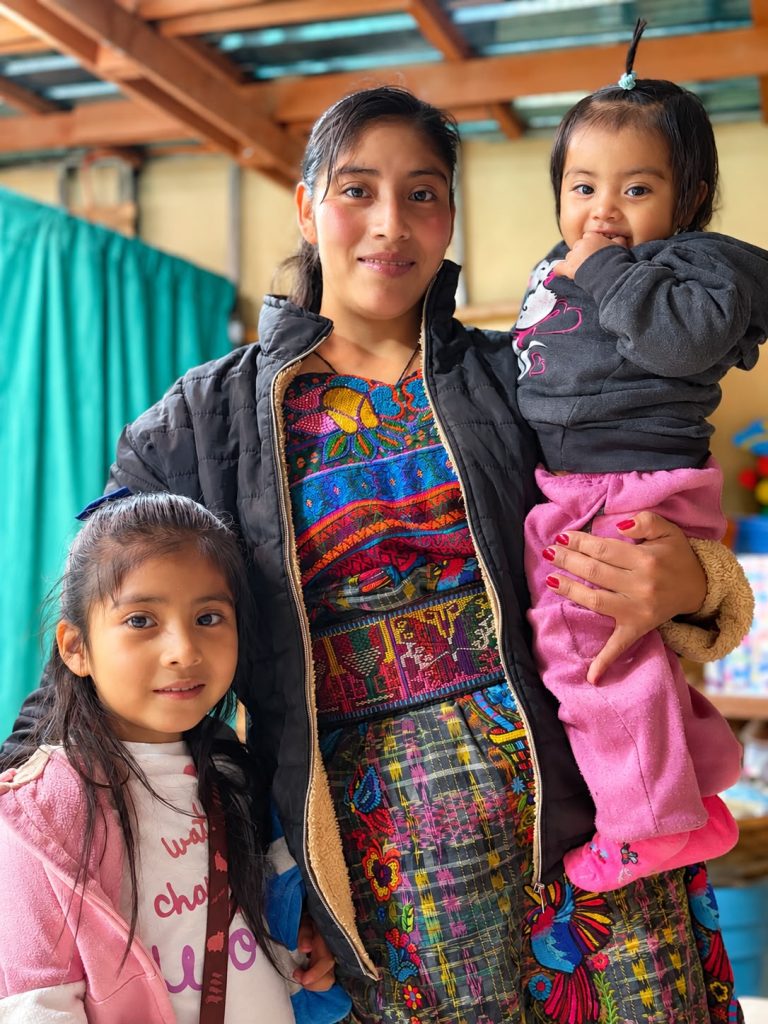
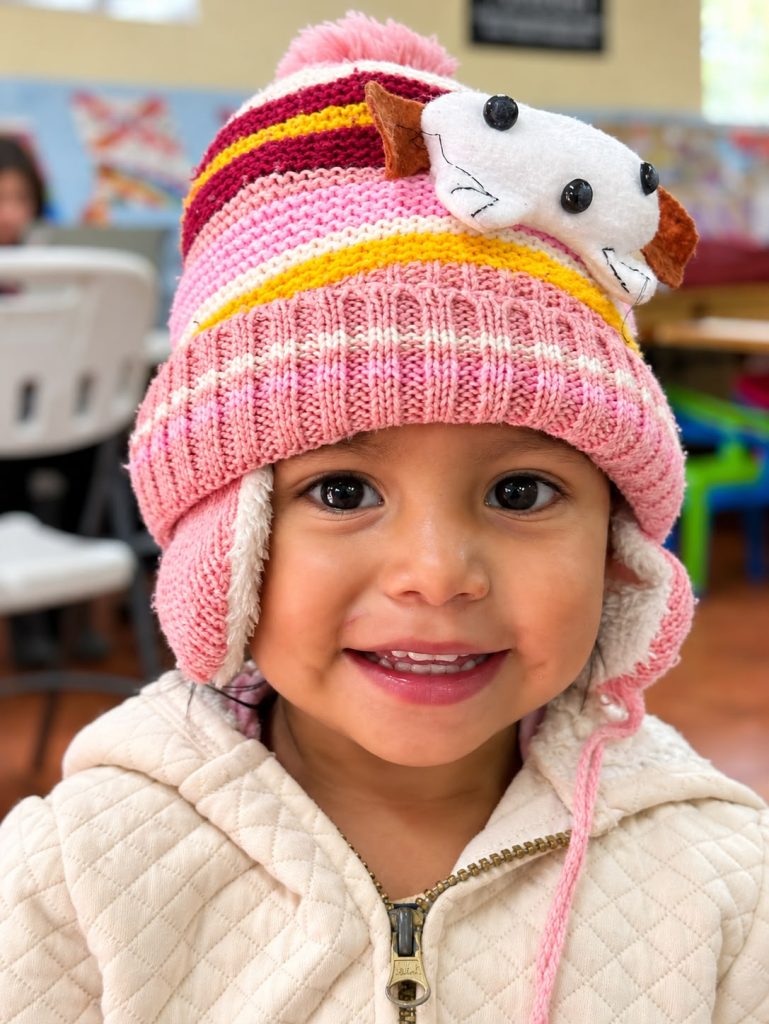
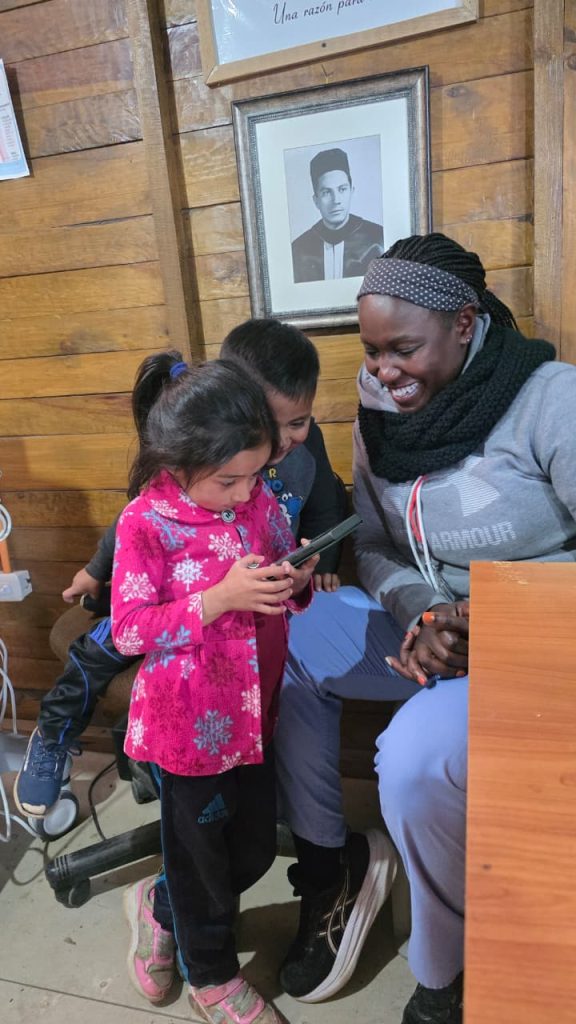
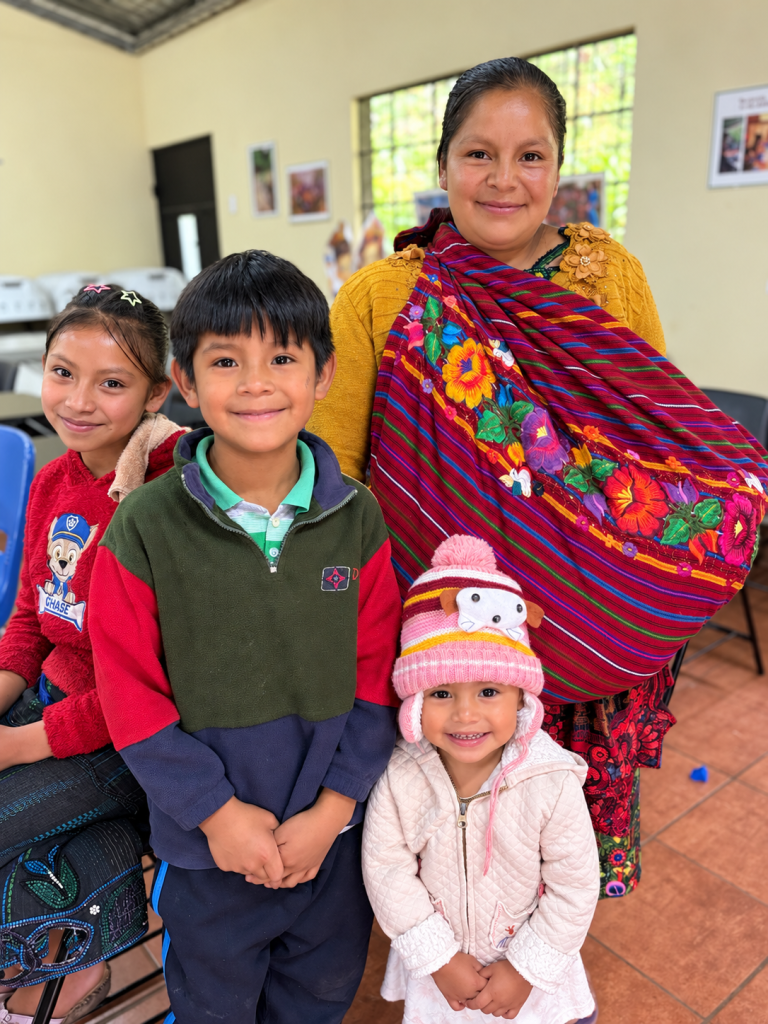
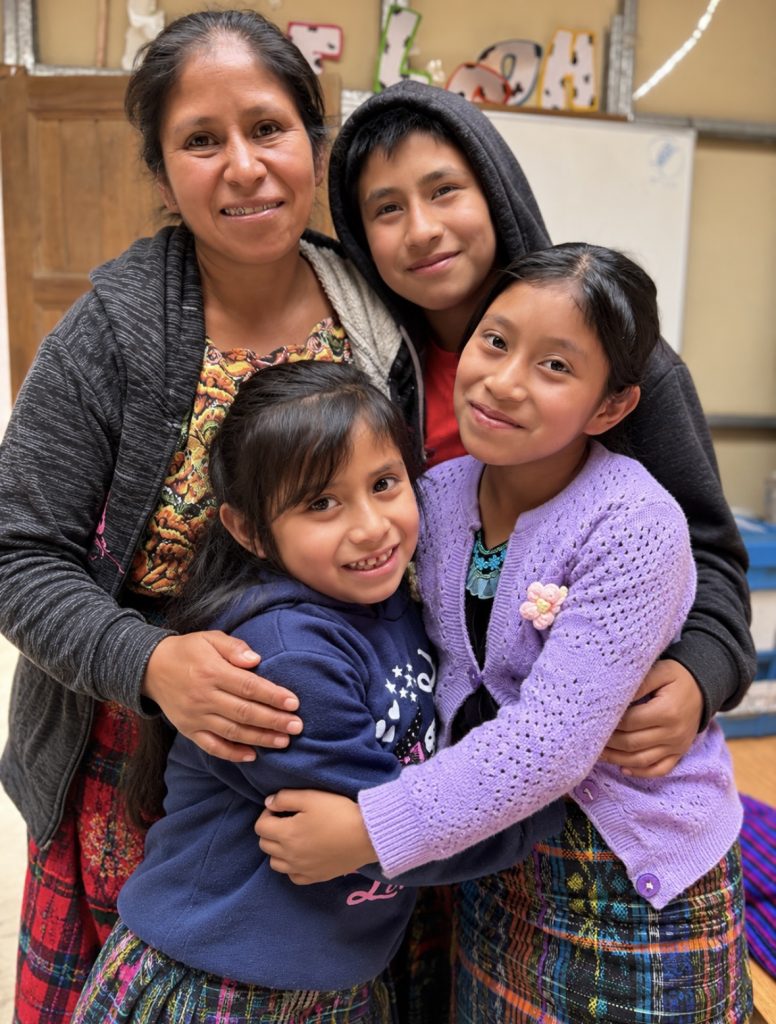
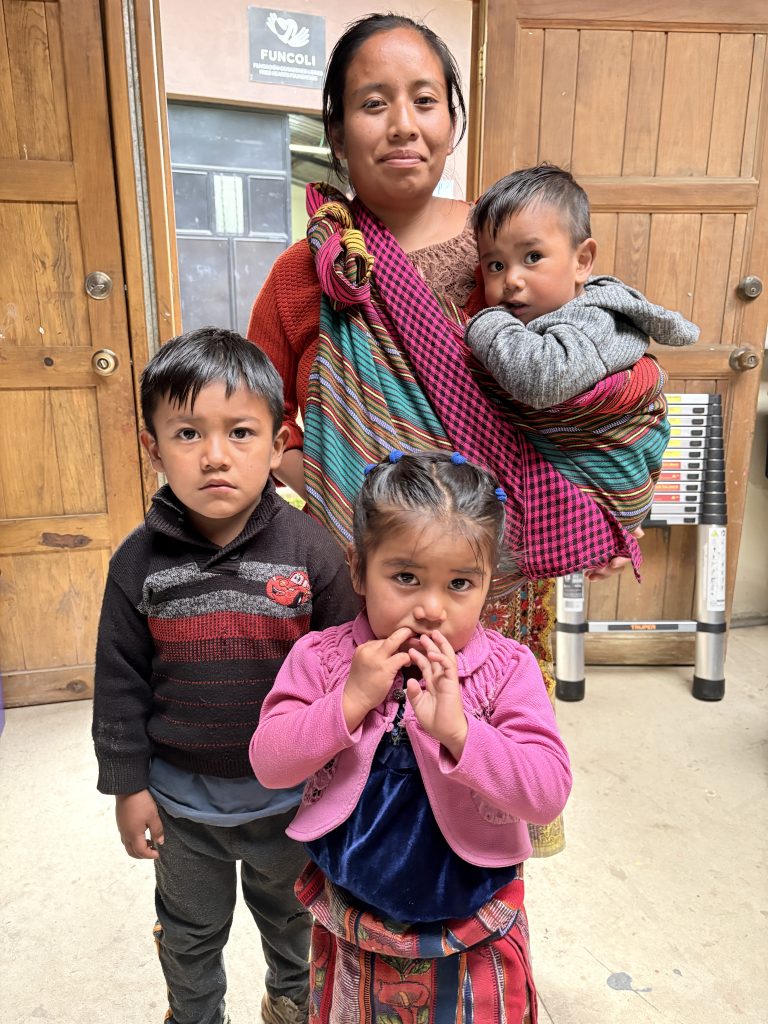
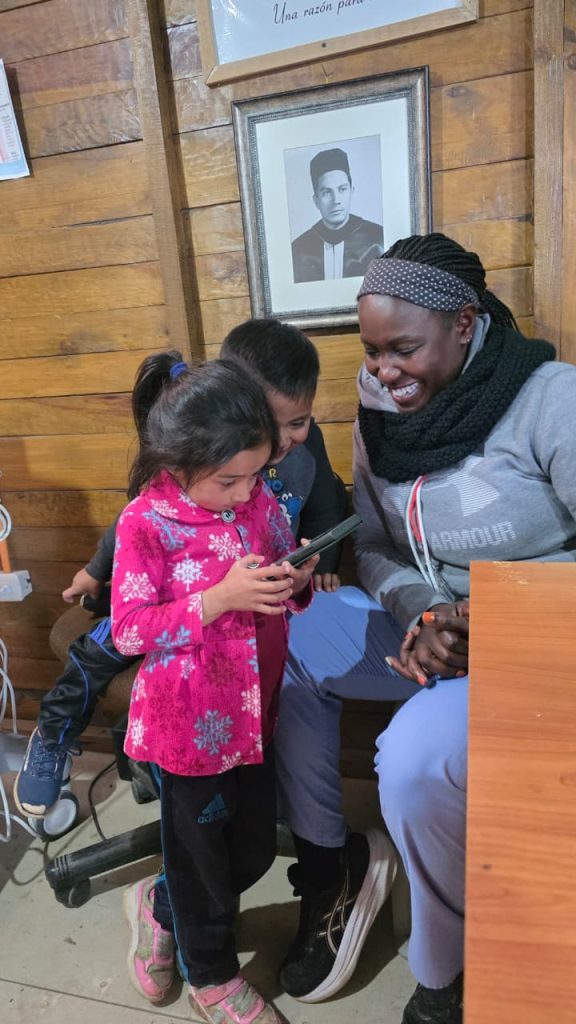
Among those who arrived were many children, whose presence brought joy to the day. Being able to welcome them, provide medical evaluations, and support their families was a beautiful reminder of why we serve.
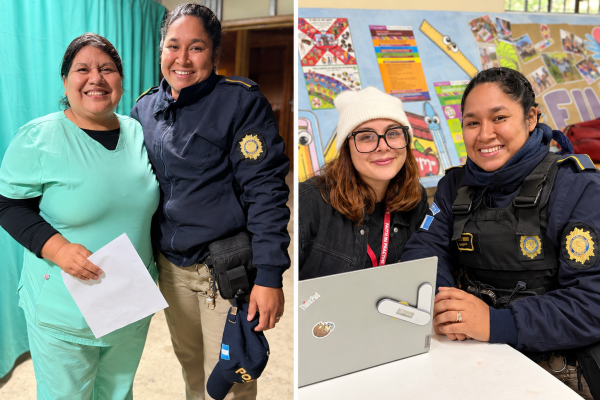
Every patient brought a different story. One of our final patients was Jaqueline Hernandez, a 29-year-old police officer who serves the community of Samayac, Suchitepéquez. She dedicates her skills and talents to helping others, but her own health had not always been a priority. This visit offered her an opportunity to receive a medical evaluation and a VIA cervical cancer screening.
Jaqueline was both nervous and excited to receive this care. For someone who spends her days protecting and serving others, this was a moment to be cared for herself. Providing these services at no cost was one meaningful way our team could give back.
Our doctors and volunteers were happy to stay and welcome her as the final patient of the day. Her visit became a special closing blessing—a reminder that every person deserves time, attention, and compassionate care.
We began the morning wondering who would come through the rain. We ended it grateful for 43 opportunities to serve, each one a reminder that God’s love shines through even on the cloudiest days.