Blog Day 5: The Wonders We See
“The most beautiful wonder is life itself.”
These are the words of José Ramón, a judo instructor and veteran of the Guatemalan special forces who came to us for hernia surgery. He teaches discipline and respect through judo, tends to his eight cows—each with a name like Leonardo or Margarita—and finds meaning in the everyday gifts around him: the air, the rain, the sun, the animals.
For José, wonder isn’t something distant or rare. It’s constant. It’s found in the life God provides and in the choice to be present enough to notice it.
“It is a great labor that you come to do in my country to alleviate our pains and our necessities that here, in Guatemala, are many,” he told us.
His words echo a theme that has been building all week that was first introduced in devotional, and now unfolding in real time around us: the call to see, and to live in, wonder.
For many of our patients, that wonder begins and ends with faith.
Emilsa Reyer, who underwent hernia surgery yesterday, spoke about the strength she draws from God. Before her procedure, she prayed simply for things to go well. “God is the one who gives us strength every day to open our eyes to the world,” she said. For her, and for so many here, wonder is rooted in trust—trust in God, in healing, and in the promise of another day.
But wonder also reveals itself in people—in quiet, unexpected acts of generosity.
Ann Marie, a translator on her first Faith in Practice mission, shared a story that perfectly captures this spirit. After telling a local volunteer how much she wanted to see Guatemala’s black sand beaches (created by erosion of volcanic rock and minerals from the country’s high concentration of volcanoes), a local volunteer drove an hour round trip just to bring her a bottle filled with black sand and seawater. A small gesture, but also something more. A reminder that wonder often lives in the ways we show up for each other.
Inside the hospital, that same spirit is everywhere.
Virginia, the hospital’s nutrition director, sees it in access: how this partnership helps remove barriers that keep patients from receiving care.
Dr. Loreen Garcia put it this way: “When you give a wheelchair, you’re not just helping a patient, you’re giving freedom back to an entire family.”
It’s a simple statement, but it carries the weight of what happens here every day. Healing doesn’t stop with one person—it ripples outward, restoring not just mobility, but stability, dignity, and possibility for entire families.
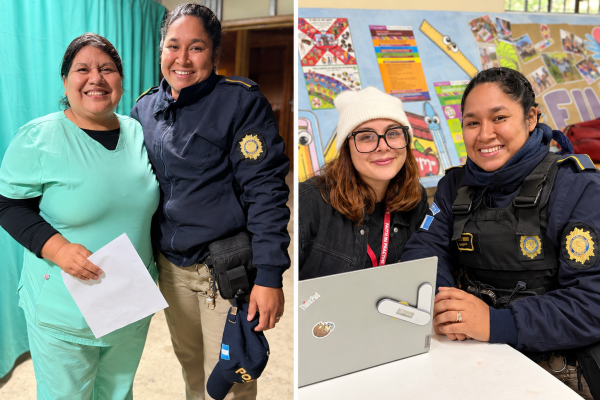
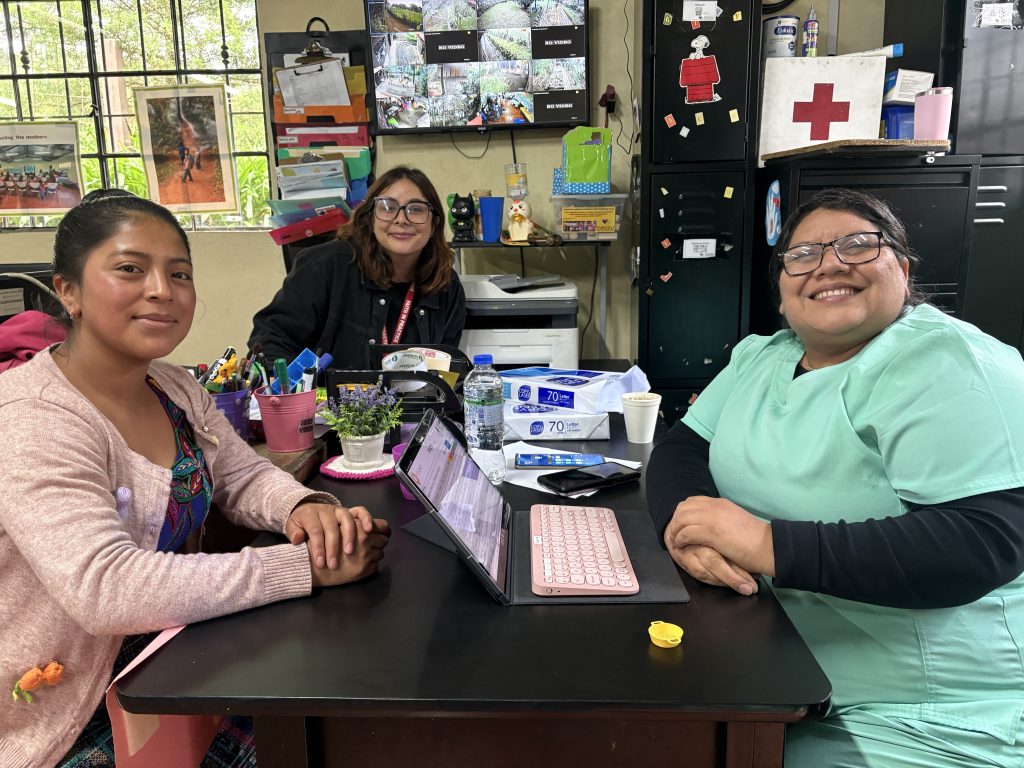
Maggie, a PACU nurse, sees wonder in the unity of the team. “There are people here who don’t know each other, but all share a common goal of helping others,” she said. “Whether from the United States or Guatemala, we’ve come together as one team.”
And it’s true. There is something remarkable about a place where strangers become collaborators almost instantly, and where kindness is the default, and compassion is the common language.
Lara, a circulating nurse, described it as the most team-focused operating room she’s ever experienced. “Everyone wants to be here,” she said. “No one is complaining. It’s always, ‘What can we do next? Who else can we help?’ There’s no ego. It’s how it should be everywhere.”
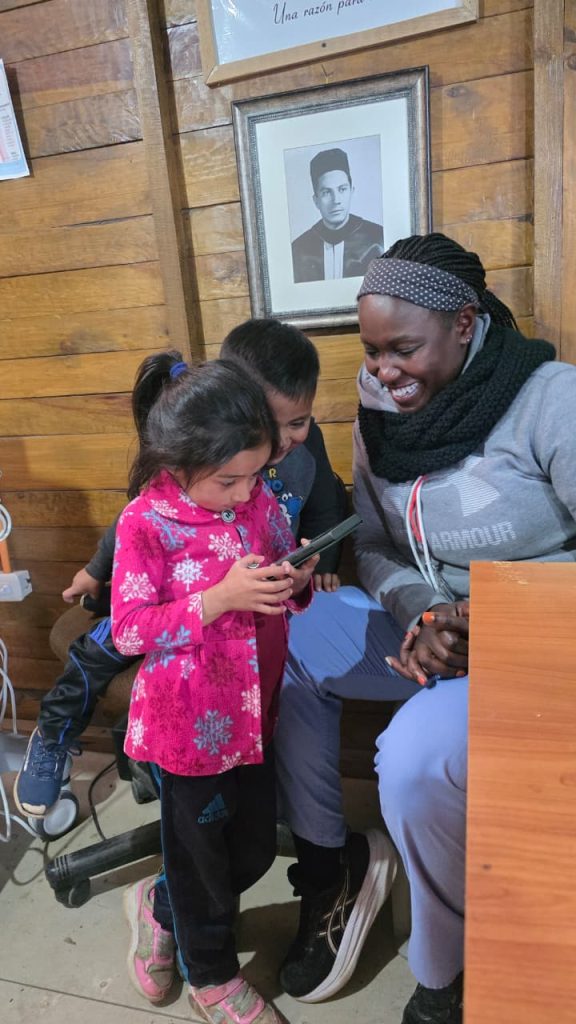
Even the patients, in their own way, are part of that collaboration. When language becomes a barrier, those who speak a little English step in to help translate, eager to contribute however they can. The line between caregiver and patient blurs in a way that feels deeply human and rooted in shared humanity.
For some, the wonder comes from seeing this experience through new eyes.
Dr. Kim Vanderveen reflected on what it means to serve alongside her daughter, who is in Guatemala for the first time. Watching her daughter encounter this work—the patients, the culture, the purpose—has added a new layer of meaning. It’s not just about what we do here, but how it shapes the people we bring with us.
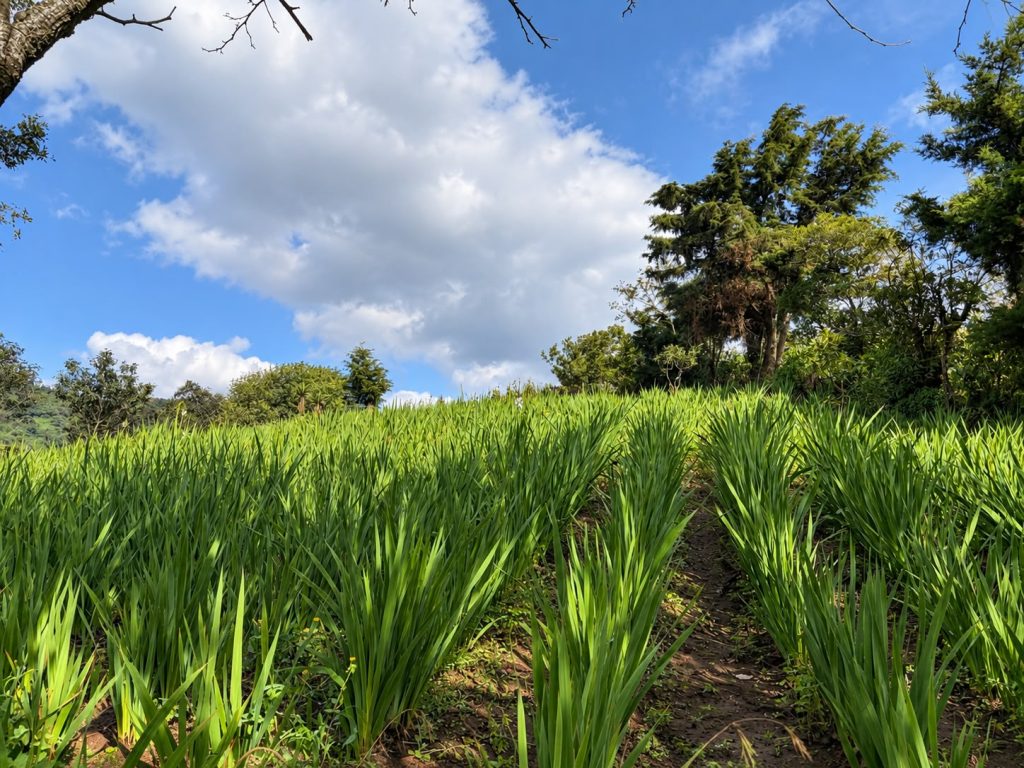
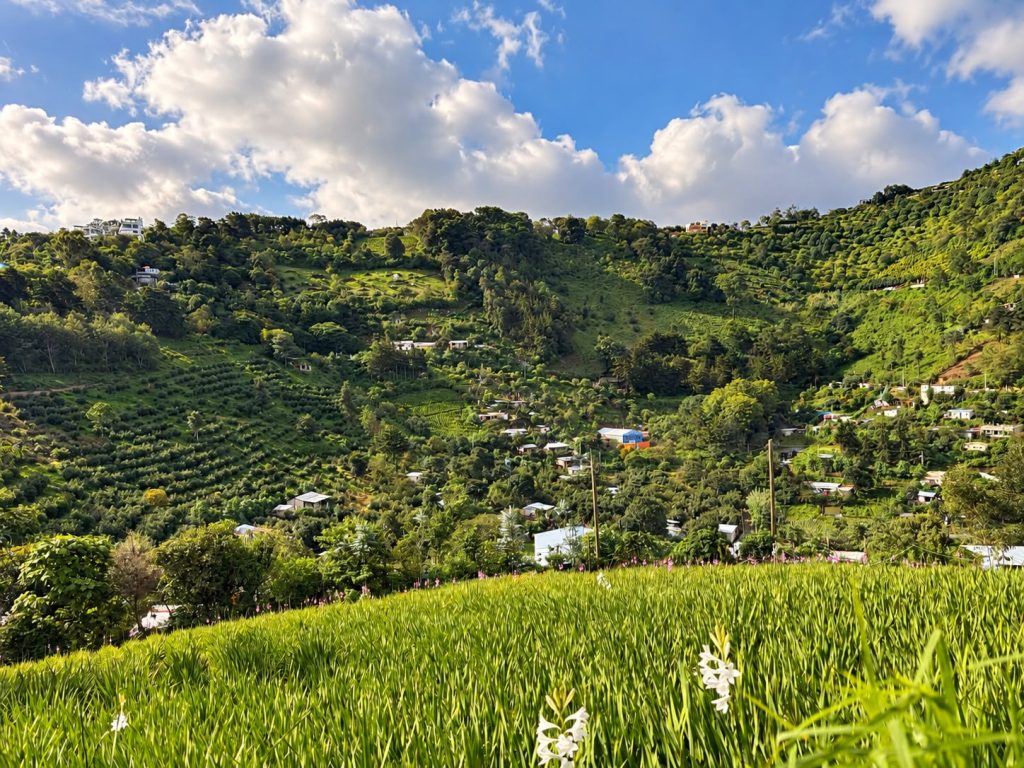
And then there’s the wonder of the world itself.
Cynthia, a pharmacist and self-described “nature geek,” sees deep connections between the natural world and the work happening inside these hospital walls. In nature, everything is interdependent—plants, animals, ecosystems—all taking only what they need and giving what they can. She sees that same balance here: teams working with limited resources, yet accomplishing extraordinary things through collaboration, creativity, and trust.
It’s a different way of thinking. A different way of being.
And maybe that’s the thread that ties all of this together.
Wonder isn’t just what we see, it’s how we see. It’s choosing to notice the small things, the quiet moments, the human connections. It’s recognizing that even in a place defined by need, there is also abundance: of faith, of generosity, of love.
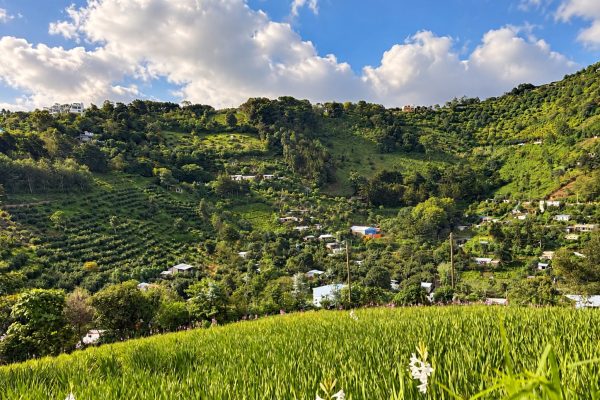
Here in Guatemala, we are surrounded by it.
And if we’re paying attention, it changes us.
Today marks our final day of care. Over the course of the week, the surgical team operated on 85 patients, ranging in age from just 5 years old to 82 years old. In the mobility clinic, the team saw 131 patients, built 108 wheelchairs, and gave away 31 ambulatory devices, each one representing not just movement, but independence, dignity, and a renewed sense of possibility.
It’s hard not to see the wonder in that, too.
The day ended with expressions for gratitude and prayers from all the staff at Hospital Hilario Galindo—and possibly a tear or two.
Lord, open our eyes to the wonder around us.
Help us carry this spirit of gratitude, humility, and love beyond this place,
so that wherever we go next,
we continue to see, and to serve, with open hearts.
Amen.